

TLDR: Why Kalshi’s attempt to counter WSJ fell flat
TLDR is Talking Points’ 60-second read for media and comms stakeholders.


TLDR: Why Kalshi’s attempt to counter WSJ fell flat
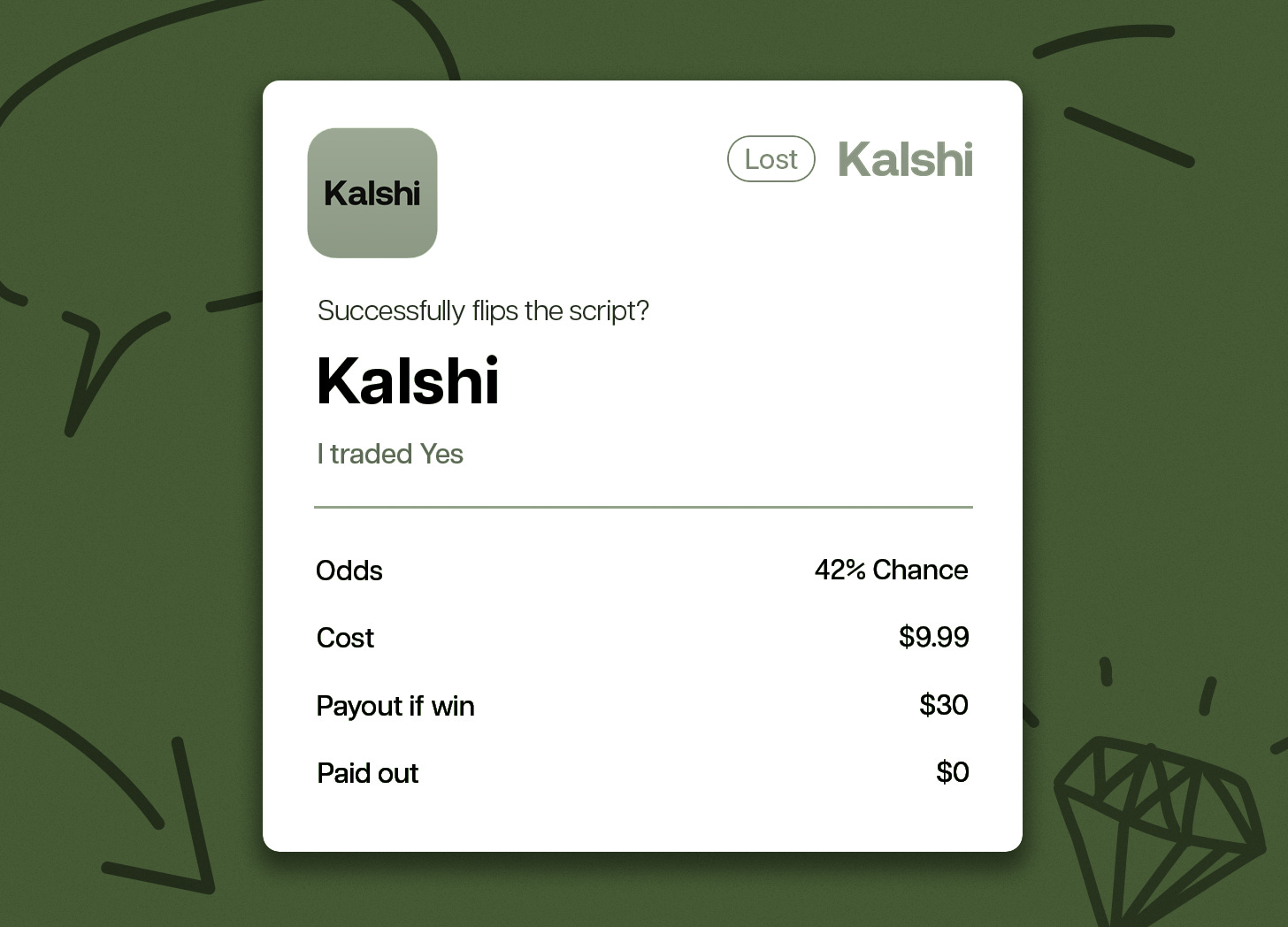
What happened: The Wall Street Journal published a deep-dive earlier this month on the profitability, or the lack thereof, of Kalshi and Polymarket users. The analysis showed that “losers” outnumber profitable traders by nearly 3-to-1 on Kalshi. The story prompted Kalshi’s head of comms to fire back on X, arguing that the WSJ’s methodology was flawed, and shared internal data showing Kalshi traders fare better than day traders, options traders, and sportsbooks. WSJ reporter Ben Foldy was quick to point out that Kalshi’s comparison set cherry-picked data from obscure sources, including Taiwanese stock traders in the 1990s and Brazilian equity futures.
Between the lines: Kalshi’s response is an example of the real-time counter-narrative strategy that has become increasingly common in the “go direct” era of comms—but it only works if the receipts hold up. Popularized over the past several years by comms pros like Lulu Cheng Meservey–from correcting the record in public at Activision to walking Wired back on a false claim at Substack–the approach worked every time because the facts held against demonstrable biases. Kalshi swung the same bat but whiffed. The data was apples-to-oranges, and as many X users pointed out, they benchmarked themselves against sportsbooks, the same positioning the company has fought tirelessly to separate itself from.
At a time where trust issues are running high—across news, social media, and everywhere content is consumed—audiences are wising up to the tactics being used to win over their opinion and favor, including messaging that attempts to distort reality instead of accurately reflecting it.
Media sweep 📡
The BBC announced widespread layoffs in April, impacting about 2,000 jobs – or one in ten staffers. It’s the largest workforce reduction in media this April, with other layoffs last month hitting Us Weekly, Conde Nast, The Associated Press, Daily Mail, and more.
Disney-owned ABC is challenging the Federal Communications Commission (FCC) over a regulatory complaint it received over whether or not talk shows like “The View” are considered news programming – which would qualify them for additional First Amendment protections.
MuckRack’s May 2026 “What is AI Reading?” report claims that earned media is the driver behind 84% of citations across top AI platforms – a consistent trend since July 2025.
The US has fallen to No. 64 in the 2026 World Press Freedom Index, with Reporters Without Borders citing declining public trust and “systematic weaponization of state institutions” as key contributors to the historically-low ranking.
Gweneth Paltrow’s Goop promoted its home delivery service through a campaign with convicted fraudster Anna Delvey. The campaign pokes fun at Delvey’s 24/7 house arrest, but has received backlash for glamorizing Delvey’s criminal behavior.
Story ideas, feedback, or just want to get in touch? Email us at contact@jsapartners.co or drop us a line on LinkedIn.
 | A guest post by
|